Key takeaways
Fill, sign, and submit authorization to release medical records from any browser — or have AI generate a custom version in seconds. No installs, no printing, no back-and-forth.
- The Authorization for Use or Disclosure of Protected Health Information (Authorization to Release Medical Records) permits healthcare providers to share specific patient data.
- Patients or their legally authorized representatives must sign and date the document to grant permission for disclosing protected health information.
- The form must identify the specific information to be disclosed, the person authorized to disclose it, and the intended recipient.
- Every authorization must state a specific purpose for the disclosure and include an expiration date or a related expiration event.
- The Office for Civil Rights enforces penalties for improper disclosures of health information that occur without a valid, signed authorization form.
- If a personal representative signs on behalf of a patient, they must describe their legal authority to act for that individual.
What is authorization to release medical records?
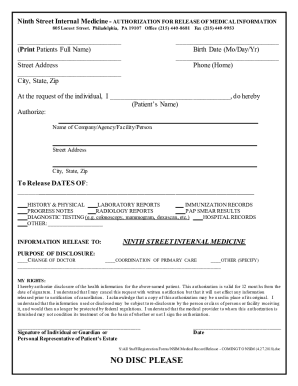
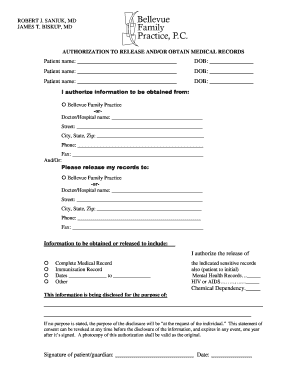
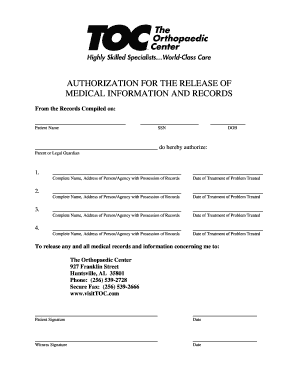
Authorization to Release Medical Records (Authorization for Use or Disclosure of Protected Health Information) is a legal document that permits a covered entity, such as a healthcare provider or health plan, to use or disclose an individual's protected health information for purposes not otherwise allowed by the Privacy Rule. This document is essential when a patient wants to share private health data with third parties for reasons beyond standard treatment, payment, or routine healthcare operations. By signing this form, an individual grants specific permission to a covered entity to release records to a designated recipient for a clearly defined purpose.
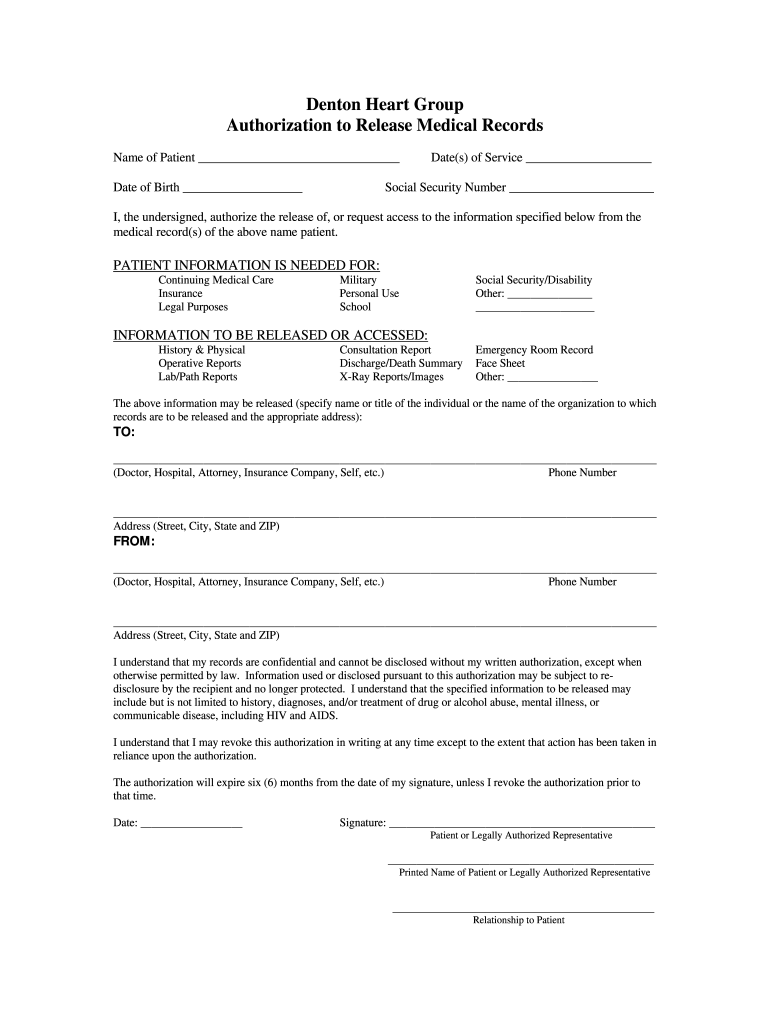
The document captures detailed information, including a meaningful description of the specific patient medical records to be disclosed and the identity of the person authorized to make the disclosure. It also requires the name of the intended recipient and an explanation of the purpose behind the request. To ensure the authorization remains valid, the document must specify an expiration date or event, and it must be signed and dated by the patient or their authorized personal representative. If a representative signs, they must describe their authority to act for the individual.
U.S. Department of Health and Human Services (HHS), Office for Civil Rights (OCR)
Who needs the authorization to release medical records — and who doesn't
Not everyone files authorization to release medical records. The checklist below tells you whether it applies to your situation — and points you to the right alternative if it doesn't.
You need this authorization to release medical records if…
- you are a patient who wants to grant permission for your protected health information to be used or disclosed for purposes that require specific authorization under the HIPAA Privacy Rule
- you are a legally authorized representative acting on behalf of an individual to permit a covered entity to share their medical records with a third party
- you are a healthcare provider, health plan, or healthcare clearinghouse that must obtain valid permission for a use or disclosure of health information not otherwise permitted by law
- you intend to authorize the disclosure of specific health information to a named person or class of persons for a clearly defined purpose
You do not need this authorization to release medical records if…
- the use or disclosure of protected health information is strictly for treatment, payment, or standard healthcare operations
- the information is being disclosed for public health activities, health oversight activities, or reports concerning victims of abuse, neglect, or domestic violence
- the disclosure is required for judicial and administrative proceedings, law enforcement purposes, or essential government functions
- the request pertains to workers’ compensation, research under certain conditions, or to avert a serious threat to health or safety
Why you need the authorization to release medical records
Why people fill out authorization to release medical records, and what tends to go wrong when they don't.
-
Regulatory Compliance This document ensures that covered entities follow federal privacy rules when sharing protected health information for purposes outside of standard treatment, payment, or healthcare operations.
-
Precise Information Control By defining specific information to be shared and identifying exact recipients, you maintain control over your medical data and prevent unauthorized parties from accessing your private health history.
-
Representative Authority The form allows a legally authorized representative to sign on behalf of a patient, ensuring that legal guardians or designated individuals can manage healthcare information when the patient cannot.
-
Efficient Digital Management You can use pdfFiller to quickly complete, eSign, and share this authorization form with healthcare providers, ensuring your medical records are transferred efficiently through a secure online platform.
authorization to release medical records vs. similar documents
authorization to release medical records gets mixed up with similar documents more than most. Here's how to tell them apart, and what filing the wrong one actually costs.
| Comparison criteria | Authorization for Use or Disclosure of Protected Health Information (Authorization to Release Medical Records) | Notice of Privacy Practices |
|---|---|---|
| Purpose | Grants permission for specific PHI disclosures. | Informs individuals about general PHI practices. |
| When to use | For PHI uses requiring specific patient authorization. | Required disclosure of an entity's privacy practices. |
| Signatures required | Signed by individual or their personal representative. | Fact sheet does not specify signature requirements. |
| Filing | Contains expiration date; no fixed filing deadline. | Fact sheet does not specify filing requirements. |
| Governing reference | HIPAA Privacy Rule (45 CFR Part 164). | HIPAA Privacy Rule (45 CFR Part 164). |
What each section of authorization to release medical records means
Every section explained — what it's asking, the records you'll need on hand, and the mistakes that most often cause a rejection or follow-up request.
| Information to Disclose | Provide a meaningful and specific description of the protected health information you want the covered entity to share, such as specific treatment dates or records. |
|---|---|
| Authorized Disclosing Party | Enter the name or specific identification of the healthcare provider, health plan, or organization that is authorized to use or disclose your medical information. |
| Information Recipient Details | Identify the name of the person or class of persons to whom the healthcare provider is permitted to release your protected health information. |
| Purpose of Disclosure | Describe the specific reason for the requested use or disclosure of your information to ensure the recipient understands why they are receiving the data. |
| Authorization Expiration Date | Specify a calendar date or a particular event related to the individual that will trigger the expiration of this authorization for disclosure. |
| Patient Signature and Date | The individual must provide their signature and the current date to finalize the authorization and grant legal permission for the disclosure of information. |
| Representative Authority Description | If a personal representative signs the form, they must describe their legal authority to act for the individual, such as being a designated healthcare proxy. |
How to fill out authorization to release medical records using pdfFiller
A walkthrough from the first field to the signature line. With your records in front of you, most people finish in under ten minutes.
-
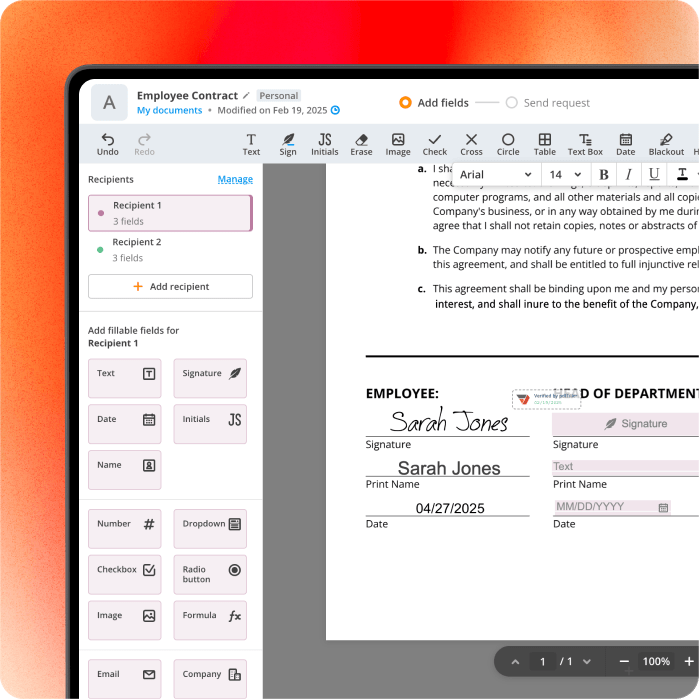
Open the Form Click Get Form to open Authorization to Release Medical Records in the pdfFiller editor.
-
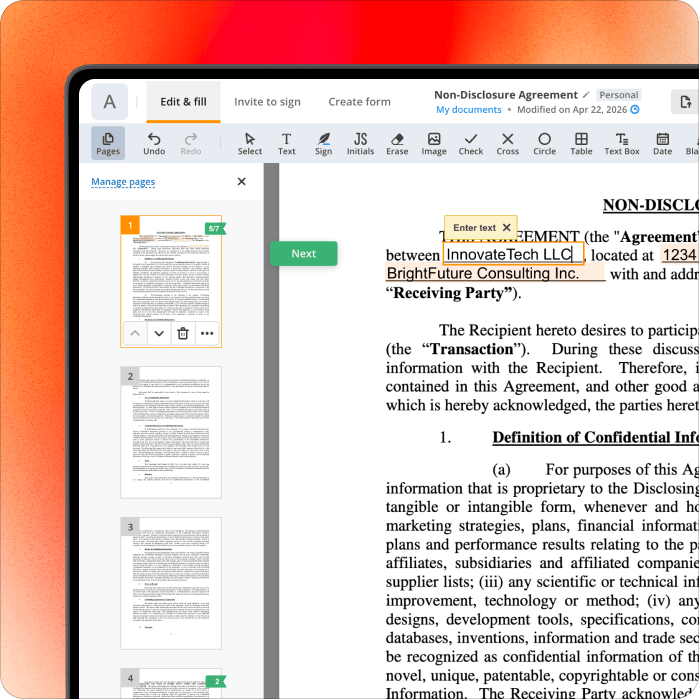
Describe health information Use the text tool to provide a specific and meaningful description of the protected health information that you want to be used or disclosed within the document.
-
Identify authorized parties Click the designated fillable fields to type the names of the persons authorized to make the disclosure and the specific recipients who will receive the shared data.
-
State disclosure purpose Enter a clear description of each reason for the medical records release form request to ensure the covered entity understands why the disclosure of information is necessary.
-
Set expiration details Navigate to the expiration section and enter a specific date or event that will trigger the end of this patient authorization form validity for the individual.
-
Detail representative authority If you are signing for another person, use the editor to describe your legal authority to act on behalf of the individual as their personal representative.
-
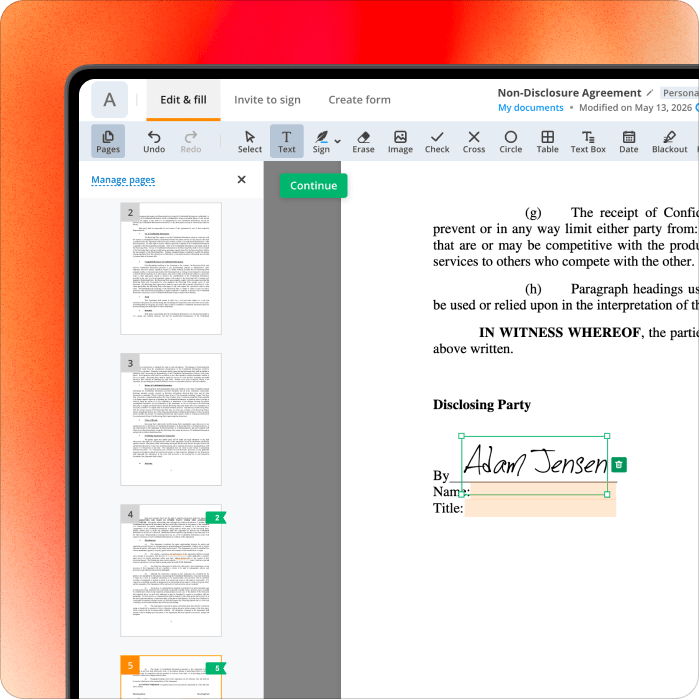
Sign and date Use the Sign tool to create and place a legally binding e-signature on the document, then select the date field to insert the current calendar date.
-
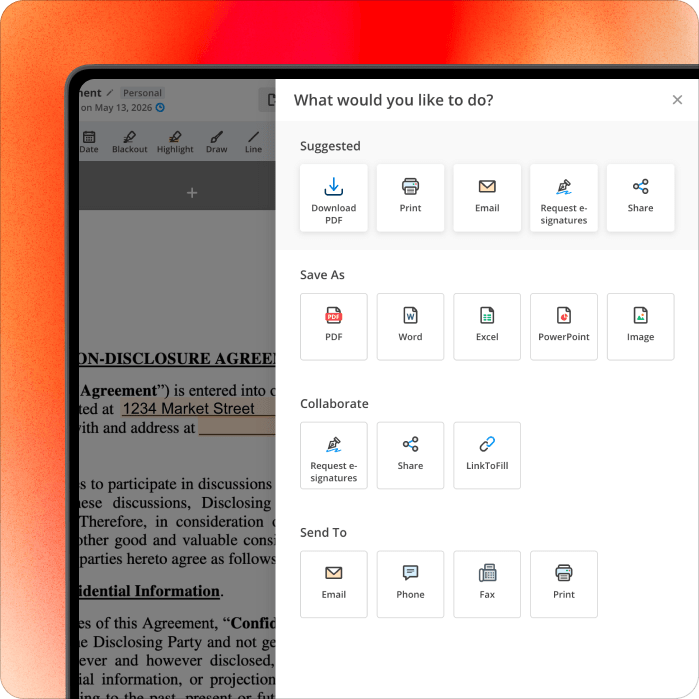
Send or save Complete the process by using pdfFiller to send the finished document via email or link, or download the PDF to your secure encrypted storage for safekeeping.
Deadlines, key dates & penalties for authorization to release medical records
When authorization to release medical records is due, what late filing actually costs, and how to request more time if you need it.
| Expiration and Validity | A valid authorization must include a specific expiration date or an expiration event that relates to the individual or the purpose of the disclosure. |
|---|---|
| Non-Compliance Penalties | The U.S. Department of Health and Human Services Office for Civil Rights enforces civil money penalties for HIPAA Privacy Rule violations, including the improper use or disclosure of information without valid authorization. Criminal penalties may also apply in some cases. |
State variations of authorization to release medical records
The requirements for a valid authorization to release protected health information vary by state. While federal law under the HIPAA Privacy Rule establishes national standards, individual states may have additional regulations or specific language requirements that must be met for the disclosure of certain types of medical records or for the verification of a personal representative's authority to sign.
Related content
The forms, guides, and worksheets most filers reach for alongside authorization to release medical records.
Key terms used in authorization to release medical records
A one-sentence glossary of the authorization to release medical records terms and concepts you'll see throughout this guide.
- Protected Health Information (PHI)
- Individually identifiable health information transmitted or maintained by a covered entity in any form or medium.
- Covered Entity
- A health plan, healthcare clearinghouse, or healthcare provider that must comply with privacy rules when handling patient information.
- Personal Representative
- An individual with the legal authority to act on behalf of a patient regarding their medical records and healthcare decisions.
- Expiration Event
- A specific occurrence or date related to the individual or disclosure purpose that terminates the authorization's validity.
- Disclosure Purpose
- A meaningful description of the specific reason why the protected health information is being shared or used.
- Recipient
- The specific person, organization, or class of persons authorized to receive the patient’s disclosed medical records.
Frequently asked questions about authorization to release medical records
Quick answers to the questions we hear most often about completing the authorization to release medical records.
The primary purpose of this form is to grant permission for a covered entity to use or disclose an individual’s protected health information for specific purposes not otherwise allowed by the HIPAA Privacy Rule. This includes sharing data with third parties for reasons beyond treatment, payment, or healthcare operations. You can complete this healthcare authorization to ensure your records are handled according to your specific instructions.
The individual who is the subject of the records or their legally authorized personal representative must sign and date the form. If a personal representative signs on behalf of the patient, they must also provide a description of their authority to act. You can use pdfFiller to add a legally binding e-signature to this document and share it securely with the necessary parties.
A valid form must include a meaningful description of the information to be disclosed, the names of persons authorized to make the disclosure, and the recipients. It also requires a description of each purpose for the disclosure and an expiration date or event. These elements ensure the healthcare authorization is specific, identifying the information and the parties involved in a clear and meaningful fashion.
Authorization is not required for uses or disclosures related to treatment, payment, healthcare operations, or certain public interest activities like public health oversight. Other exceptions include disclosures for law enforcement purposes, workers' compensation, or judicial proceedings. In these specific cases, covered entities may share protected health information without a signed release of medical information as permitted by the HIPAA Privacy Rule.
The HHS Office for Civil Rights may impose civil money penalties for HIPAA Privacy Rule violations, including disclosing protected health information without valid authorization. In some cases, criminal penalties may also apply for improper use or disclosure. Ensuring your healthcare authorization is complete and accurate helps covered entities remain compliant with federal regulations while protecting your sensitive personal data.
You can use pdfFiller to fill out, edit, and sign the Authorization to Release Medical Records directly in your browser. The platform allows you to securely send the completed document via link, email, or fax to healthcare providers. pdfFiller maintains secure encrypted storage and is compliant with GDPR, HIPAA, and SOC 2 standards to keep your medical information safe.